
Tarvo Press
Independent Editorial · London · Est. 2026

Notes on a Plate.

An independent publication examining the documented relationship between food choices, calorie awareness, nutrient density, and how eating patterns influence body composition over time.

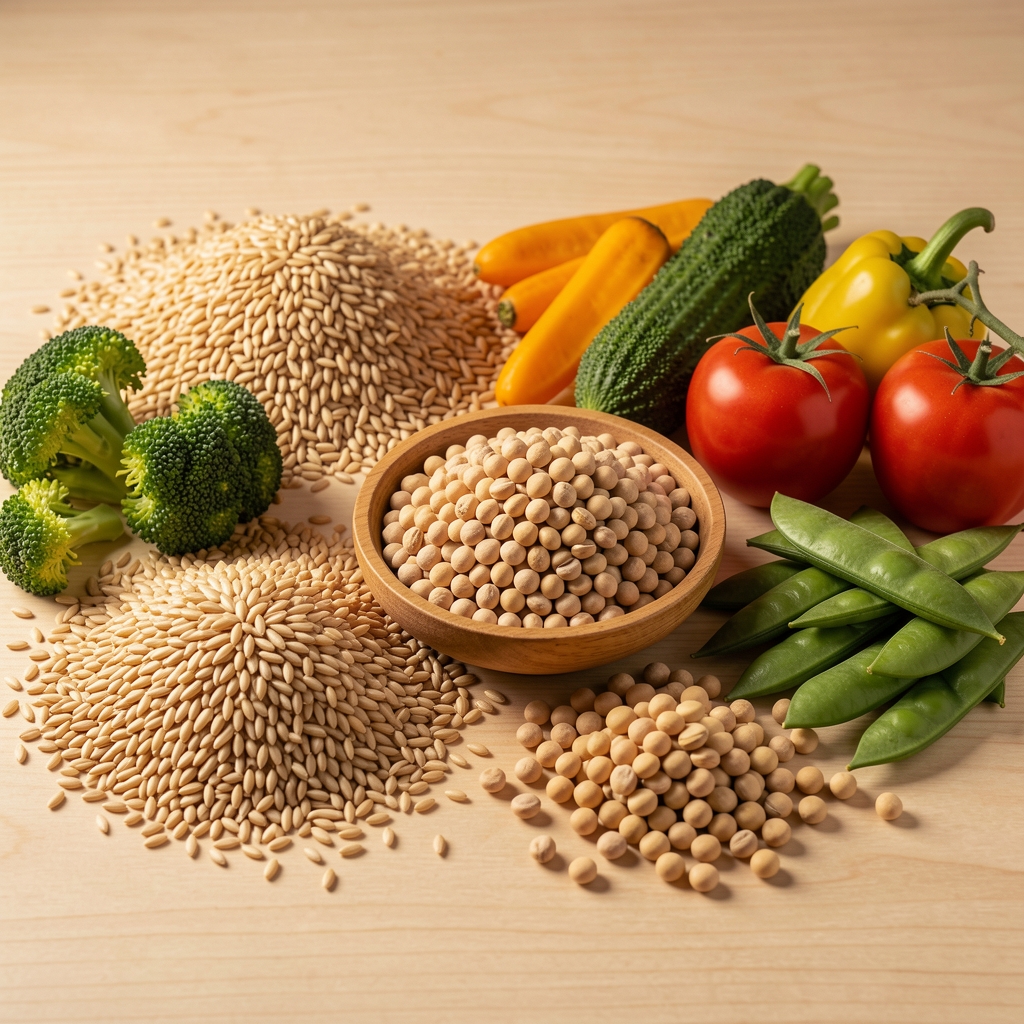
Carefully arranged whole foods on a light wooden surface — grains, vegetables, and pulses photographed under warm studio lighting
Vol. 01 · 2026
CALORIE AWARENESS  ——  NUTRIENT DENSITY  ——  WHOLE FOOD CHOICES  ——  EATING PATTERNS  ——  PORTION PERSPECTIVE  ——  ENERGY BALANCE  ——  PROTEIN AND SATIETY  ——  FIBRE AND FULLNESS  ——  CALORIE AWARENESS  ——  NUTRIENT DENSITY  ——  WHOLE FOOD CHOICES  ——  EATING PATTERNS  ——  PORTION PERSPECTIVE  ——  ENERGY BALANCE  ——  PROTEIN AND SATIETY  ——  FIBRE AND FULLNESS  —— 
Featured Reading

Current Articles

3
Long-Form Articles
20+
Keywords Researched
30
Min Average Read
100%
Editorial Independence
02 — Editorial Focus

Food quality over quantity. Patterns over prescriptions.

The connection between diet and body weight is frequently reduced to calorie counting alone. Tarvo Press takes a broader view — examining the role of food quality over quantity, the structural properties of a balanced plate approach, and how processed food awareness informs more considered daily choices.

Each piece draws on published nutritional research and is reviewed by a second editor before publication. Writers are required to disclose any commercial associations that could influence their subject selection.

Read our editorial standards
Composition

Energy balance, fat-to-muscle ratio, lean mass support — examined through the lens of everyday eating.

Food Quality

Nutrient-rich ingredients, whole grain benefits, and the practical impact of processed food awareness.

Satiety

Protein and satiety, fibre and fullness, hunger signals — the physiology of feeling satisfied.

Patterns

Long-term eating rhythm, meal structure and weight, and mindful portion habits in practice.

03 — Common Questions

What the research addresses

Calorie awareness refers to understanding the energy density and nutritional composition of foods, rather than actively restricting intake. The published research consistently distinguishes between these two approaches — awareness is associated with more stable long-term eating patterns, whereas restriction alone tends to produce short-term responses that are difficult to sustain.

Calorie density measures the energy content of a given volume of food. Nutrient density refers to the concentration of vitamins, minerals, fibre, and protein relative to that energy content. Whole food choices tend to offer higher nutrient density at moderate calorie density — a combination that research links to better satiety and body composition outcomes over time.

Protein and satiety are well-documented partners. Among the three macronutrients, protein produces the highest degree of satiety per calorie — a property linked to its thermic effect and its influence on hunger-regulating processes. Including adequate protein in a balanced plate approach is one of the more consistently supported strategies in nutritional research for managing portion perspective.

Meal structure and weight are connected through several documented mechanisms, including the influence of eating frequency on hunger signals, the distribution of calories across a day, and the relationship between long-term eating rhythm and metabolic consistency. Research suggests that irregular or highly variable meal timing is associated with less favourable body composition outcomes in observational studies.

Whole grain benefits in the context of weight management derive primarily from their fibre content, which slows digestion, moderates energy absorption, and contributes to fibre and fullness. Refined grain products have had much of this fibre removed during processing — a distinction that becomes meaningful when evaluating sugar and weight management, since refined starch is converted to glucose more rapidly, producing a sharper energy response.

── ● ──
"The relationship between eating patterns and body weight is documented, measurable, and far more nuanced than a single-variable equation."
— Tarvo Press Editorial Standard, 2026
── ● ──
Editorial Notice

Tarvo Press is an independent editorial publication focused on everyday wellness practices. The publication is not affiliated with any commercial, governmental, or institutional body.

Articles published on Tarvo Press are editorial in nature and reflect the writers' observations on everyday wellness practices. The content is not intended as professional advice, nor as guidance for the management of any specific condition. Readers with specific concerns about their daily routines are encouraged to speak with a qualified wellness professional.